

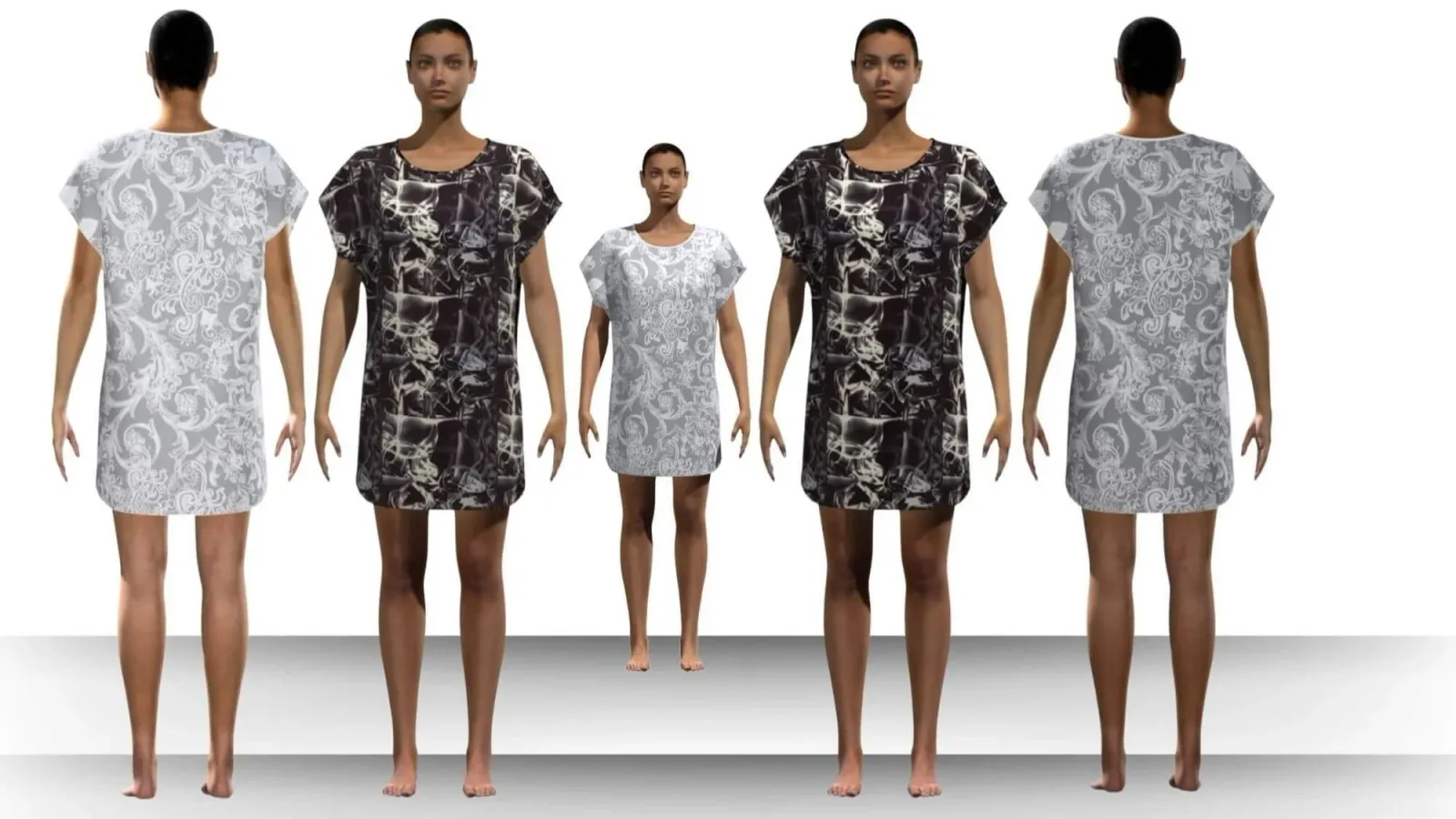
Fashion design has traditionally relied on physical samples to evaluate garments before production. Designers create patterns, select fabrics, develop prototypes, and make revisions until the final product meets the desired requirements.
Although this process remains essential, repeated physical sampling can involve significant material use, transportation, and production time.
Digital sampling introduces another approach. By using three-dimensional garment visualization and virtual design tools, fashion businesses can review certain aspects of a collection before producing physical prototypes.
As fashion technology advances, these tools are creating opportunities for more flexible, collaborative, and resource-conscious product development.
How Digital Sampling Works
Digital sampling involves creating a virtual representation of a garment using specialized design software.
Designers can develop garment patterns, apply digital fabric properties, and visualize how a product may look on a three-dimensional model. Changes to colour, silhouette, construction details, and other design elements can often be explored without producing a new physical sample for every variation.
This approach can be particularly valuable during early design stages, when collections may undergo frequent changes.
For example, a designer developing a jacket could compare multiple colour combinations, adjust the placement of design elements, or explore alternative silhouettes virtually before selecting concepts for physical testing.
The result is an additional layer of flexibility in the creative process.
Reducing Unnecessary Material Use
One of the potential sustainability advantages of digital sampling is its ability to reduce some physical prototyping requirements.
Traditional development may involve several rounds of fabric cutting, sewing, packaging, and shipping. When appropriate design decisions can be made digitally, some of these activities may be avoided.
However, digital tools do not automatically eliminate waste. Their environmental value depends on whether they replace physical activities, how they are implemented, and the resources required to operate them.
Digital sampling is therefore most useful when integrated into a broader development process that prioritizes efficient material use and carefully planned production.
Improving Collaboration Between Designers and Manufacturers
Fashion development frequently involves communication between designers, pattern makers, fabric suppliers, and production teams.
When these participants operate in different locations, coordinating physical samples and technical revisions can become complex.
Digital garment models can provide a shared visual reference, helping teams discuss construction details, compare design options, and identify potential changes earlier.
This may improve communication and reduce misunderstandings before production begins.
For independent designers and smaller brands, digital collaboration can also provide opportunities to communicate collection concepts without relying exclusively on physical showrooms or frequent sample shipments.
Why Physical Testing Still Matters
Despite its advantages, digital sampling has important limitations.
Virtual fabric simulations depend on the quality of the available data and the capabilities of the software. Actual garments may behave differently because of fibre composition, construction techniques, finishing processes, or individual body characteristics.
Physical samples remain important for evaluating garment comfort, movement, fit, durability, and manufacturing quality.
Rather than replacing traditional garment development entirely, digital sampling is best understood as a complementary tool.
Combining virtual visualization with targeted physical testing allows businesses to benefit from digital efficiency while maintaining appropriate quality standards.
The Role of Digital Design in Sustainable Fashion
Digital sampling is part of a broader shift toward technology-supported fashion development.
Three-dimensional visualization, virtual showrooms, and augmented reality offer opportunities to connect design activities with product presentation and consumer engagement.
SustainSew's vision for integrating digital fashion technologies with sustainable sourcing and circular practices is relevant to this evolving approach.
As digital tools become more accessible, fashion businesses have an opportunity to reconsider how collections are developed, evaluated, and communicated.
The long-term value of digital sampling will depend not simply on adopting new technology, but on using it thoughtfully to support better design decisions, practical collaboration, and more responsible use of resources.