Designing for Disassembly: A Practical Step Toward Circular Textiles
As the fashion industry explores ways to reduce textile waste, greater attention is being directed toward how garments are designed and constructed.
Read More

Discover the latest trends, ideas, and technologies shaping the future of eco-conscious fashion, curated by the SustainSew team.
As the fashion industry explores ways to reduce textile waste, greater attention is being directed toward how garments are designed and constructed.
Read MoreResponsible material sourcing has become an increasingly important consideration for fashion businesses.
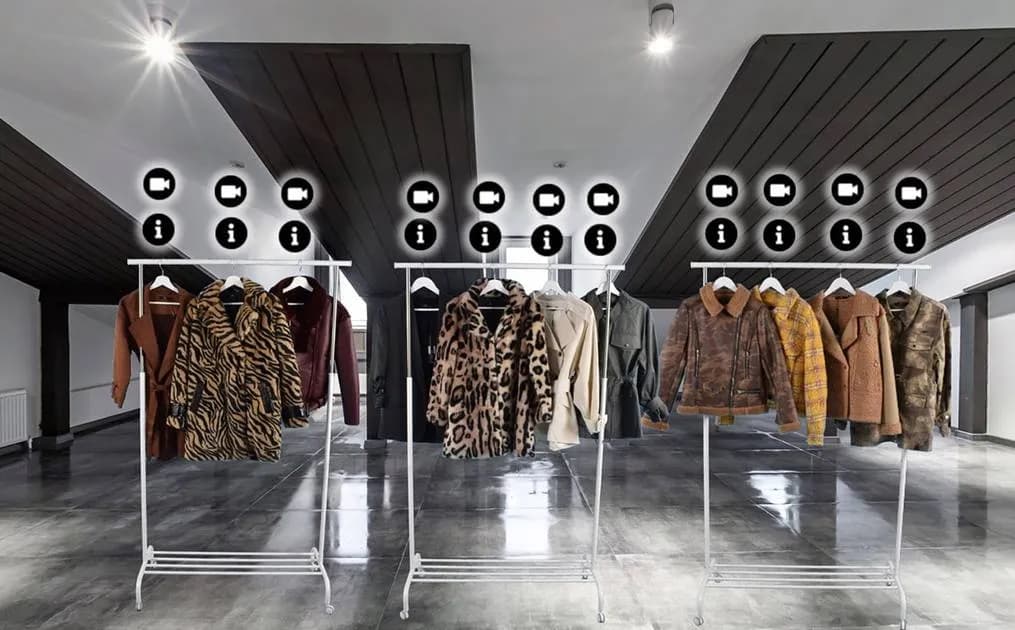
Read MoreFashion has always relied heavily on visual presentation. From traditional runway shows to retail displays and online catalogues, the way clothing is presented influences how consumers and buyers understand collections.
Read MoreThe fashion industry's environmental challenges are closely connected to how clothing is produced, purchased, used, and discarded.
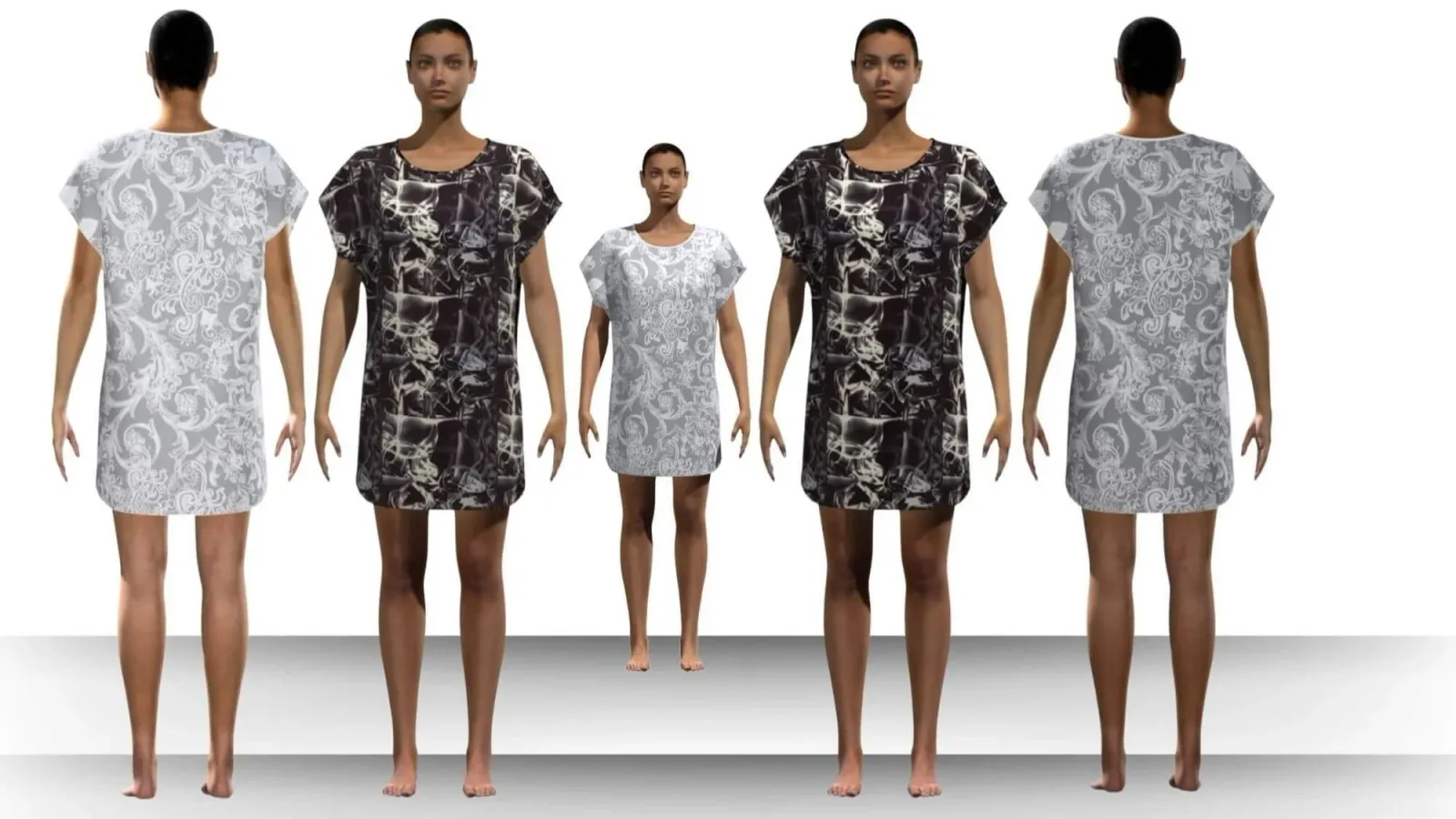
Read MoreFashion design has traditionally relied on physical samples to evaluate garments before production. Designers create patterns, select fabrics, develop prototypes, and make revisions until the final product meets the desired requirements.
Read MoreSustainability has become an important consideration in the fashion industry, influencing how designers select materials, how brands communicate with consumers, and how manufacturers organize production.
Read MoreIn an industry once shrouded in opacity, traceability is emerging as a decisive force.
Read MoreExcess inventory, markdowns and unsold stock have long plagued fashion supply chains. On-demand manufacturing offers a real solution — producing garments only when there is verified demand.
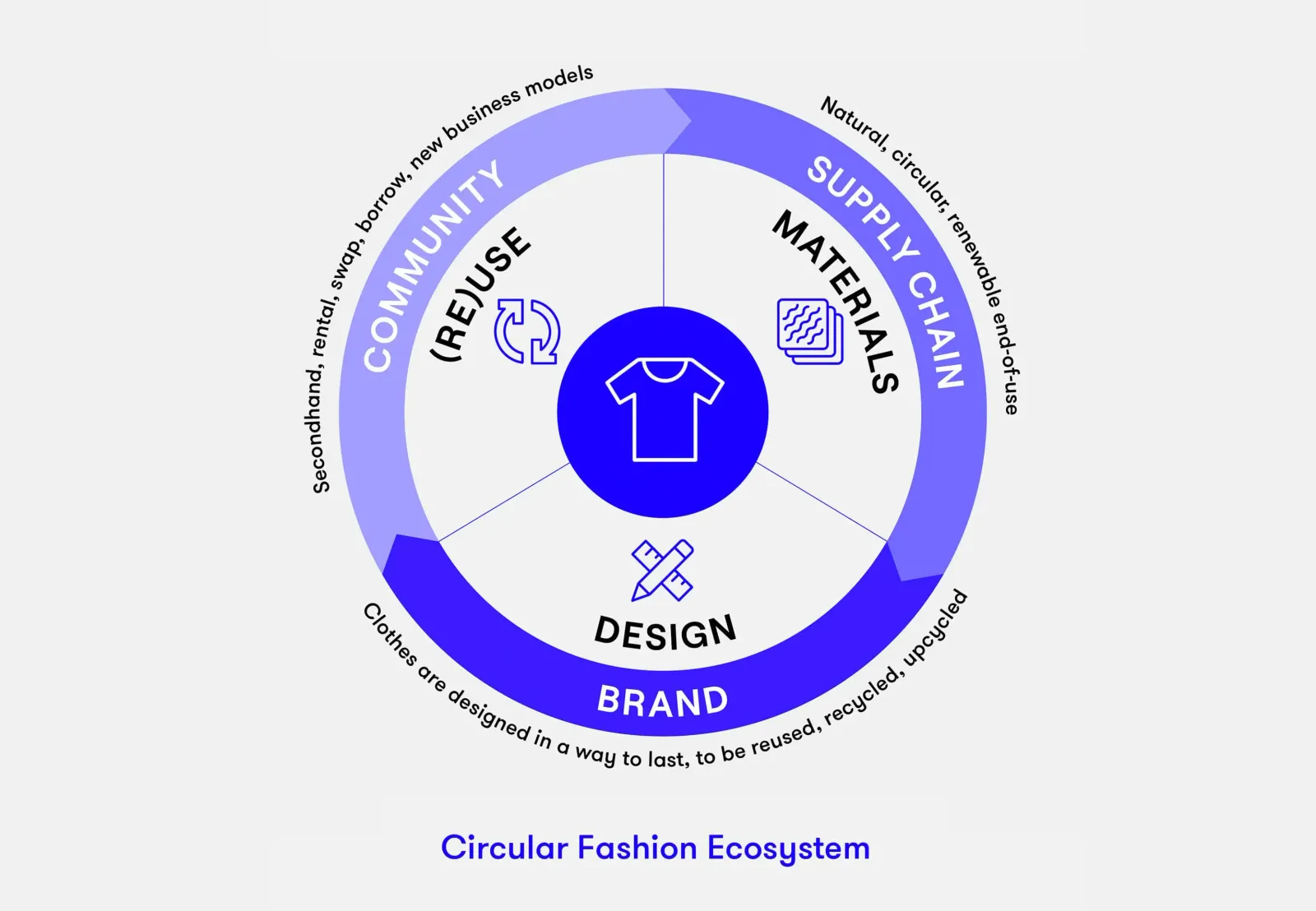
Read MoreWith millions of tons of textiles discarded each year, the pressure is on the fashion industry to adopt circular practices.
Read MoreThe fashion industry is undergoing a major shift. With climate change, resource scarcity, and growing consumer demand for ethical practices, technology is now at the heart of the sustainability movement.
Read MoreConsumers hold more power than ever to influence the fashion industry. By making informed choices, supporting ethical brands, and embracing new technologies, shoppers can accelerate the shift toward sustainability.
Read MoreThe linear “make, use, discard” fashion model is no longer viable.
Read More