
Fashion has always relied heavily on visual presentation. From traditional runway shows to retail displays and online catalogues, the way clothing is presented influences how consumers and buyers understand collections.
As digital technology evolves, virtual fashion showrooms are creating new possibilities for connecting designers, brands, retailers, and customers.
Through three-dimensional visualization, interactive product displays, and immersive technologies, fashion businesses can explore alternatives to conventional collection presentations.
These developments are particularly relevant to an industry seeking more flexible communication methods and opportunities to reduce unnecessary physical production.
What Is a Virtual Fashion Showroom?
A virtual fashion showroom is a digital environment designed to present clothing collections through interactive visual experiences.
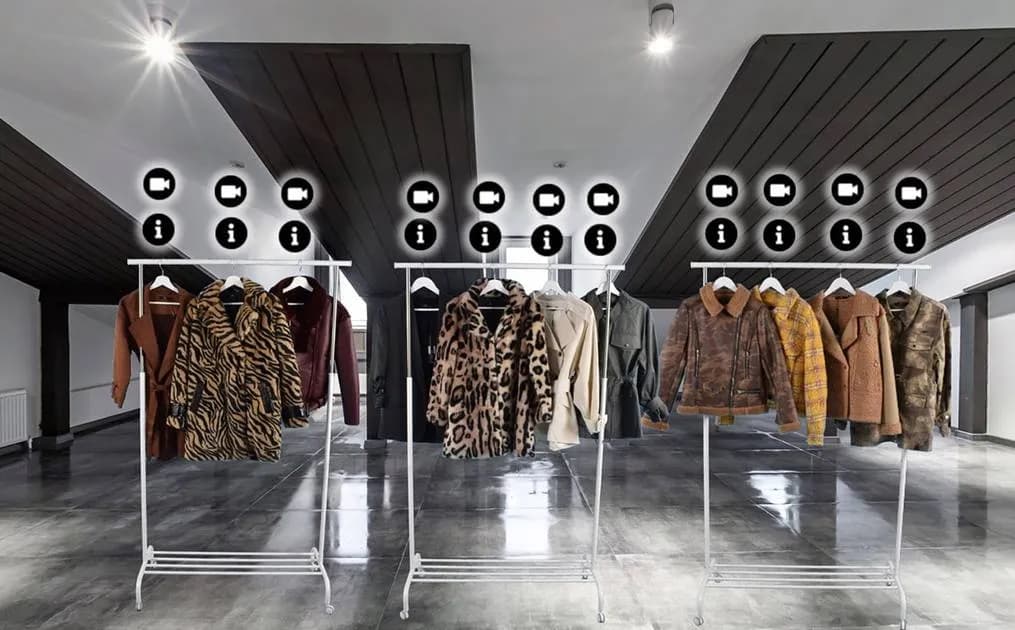
Depending on the technology used, visitors may explore garments in three dimensions, examine selected design details, compare colour variations, or navigate a digitally created exhibition space.
Some virtual showrooms operate through standard web browsers, while others incorporate augmented reality or virtual reality experiences.
Augmented reality can place digital objects within a view of the physical environment. Virtual reality, by contrast, provides an immersive digital space that users may explore using compatible equipment.
These technologies offer different levels of interaction, allowing fashion businesses to consider presentation formats suited to their audiences and resources.
Expanding Opportunities for Fashion Designers
Traditional fashion presentations may involve venue rentals, physical samples, transportation, and extensive event preparation.
These requirements can present challenges for independent designers and smaller brands operating with limited budgets.
Virtual showrooms offer an additional channel through which designers can communicate collection concepts and present products to potential customers or professional buyers.
For example, a designer could use a digital environment to introduce an upcoming collection, demonstrate available colour variations, and provide supporting information about materials or garment construction.
Digital presentation may also support communication with international audiences without requiring every participant to visit a physical location.
However, successful presentation depends on the quality of the digital experience, accessibility, and the ability to communicate reliable product information.
Connecting Digital Presentation with Sustainability
Virtual fashion showrooms may contribute to more resource-conscious business practices when they replace certain physical activities.
Digital presentations can potentially reduce the need for additional display samples, printed promotional materials, or travel associated with some collection reviews.
They may also allow designers to gather preliminary buyer feedback before committing to larger production quantities.
Nevertheless, environmental benefits are not automatic.
Digital infrastructure requires energy, and creating detailed three-dimensional models can involve specialized software, hardware, and technical resources.
A balanced sustainability assessment should consider whether virtual activities meaningfully replace physical ones and how digital tools fit into the overall product development process.
Creating Informative Digital Shopping Experiences
An effective virtual showroom should offer more than visual novelty.
Consumers increasingly benefit from access to practical product information, including material composition, sizing, garment care requirements, and relevant sourcing details.
Combining interactive presentation with clear information may help buyers evaluate whether a product meets their preferences and expectations.
Accurate visual representation is especially important. Digital images should not create misleading impressions about fabric texture, fit, or product characteristics.
Accessibility should also remain a priority. Simple navigation, compatibility with common devices, and alternative ways to access product information can make digital experiences more useful to a wider audience.
The Next Stage of Fashion Presentation
Virtual showrooms demonstrate how digital innovation can complement established fashion business practices.
Rather than making physical retail or traditional fashion events obsolete, these technologies introduce additional possibilities for product discovery, collaboration, and collection presentation.
SustainSew's concept of integrating AR/VR experiences with sustainable fashion solutions reflects an interest in connecting technological innovation with more responsible industry practices.
As digital fashion environments continue to develop, their value will increasingly depend on usability, trustworthy product information, and meaningful integration with real-world design and purchasing processes.
The future of fashion presentation may be neither entirely physical nor entirely virtual, but a more connected experience that makes effective use of both.